
Conservation
How do you visit the Elephant Transit Home?
The Udawalawe Elephant Transit Home was established in 1995 by the Department of Wildlife Conservation. It rescues orphaned elephant calves, rehabilitates them over several years, and prepares suitable animals for release back into wild elephant habitat.
Unlike entertainment-led elephant venues, the Transit Home does not allow elephant rides, performances, bathing, touching, or prolonged human contact. The point of the visit is to observe a conservation process from a respectful distance.
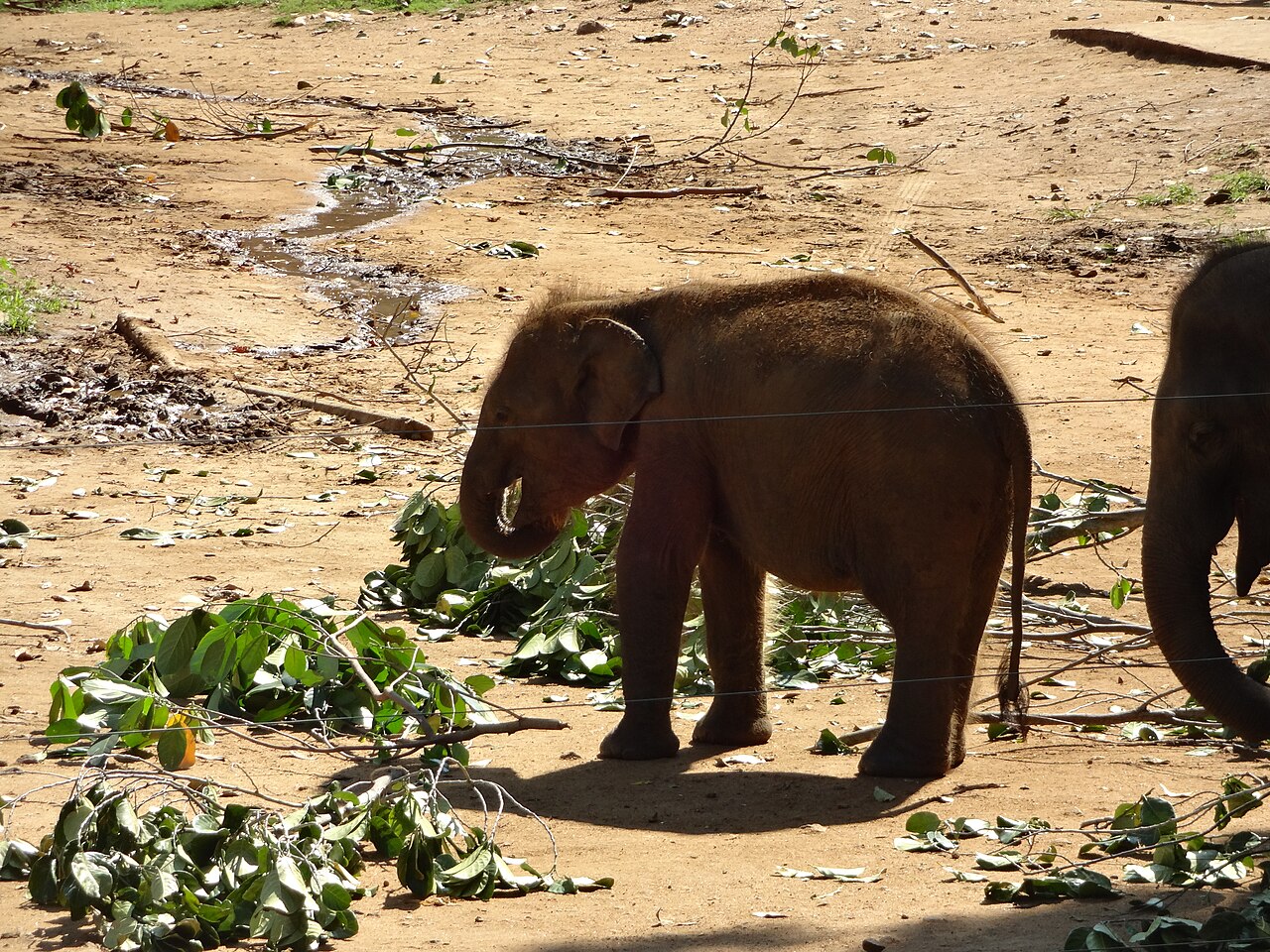
Calf at the 9am feeding
By the numbers
A real programme.
148
Elephants released since 1995
3-5 years
Average rehabilitation period
4 km
From Udawalawe Safari Camp
Daily
Public feeding-session viewing
Check locally
Times and tickets can change
No contact
Viewing only from the visitor area
What to expect
A feeding, not a show.
Visitors watch from a raised viewing area. No touching. No riding. No selfies with the animals. The calves are fed from behind a barrier, and the visible part of the session is usually brief, structured, and easy to combine with a safari day.
It is best approached as a conservation stop rather than a show. The distance matters because the calves need to remain suitable for life around wild elephants, not trained for tourist interaction.
Visit information
Practical details.
- A short drive from the Udawalawe park area, commonly paired with a morning safari.
- Public viewing is arranged around feeding sessions; confirm current times before travel.
- Tickets are normally paid separately unless your confirmed package states otherwise.
- Best arrival: early enough to buy tickets and reach the viewing area before feeding begins.
FAQ
Elephant Transit Home questions.
What is the Elephant Transit Home in Udawalawe?
The Elephant Transit Home is a rehabilitation centre near Udawalawe National Park for orphaned elephant calves. Its purpose is to raise calves with limited human contact and release suitable animals back into the wild.
Can visitors touch or ride elephants there?
No. The visit is viewing-only. Guests watch from the visitor area during feeding sessions, with no riding, bathing, touching, or close-contact photography. That distance is part of the conservation model.
What time should I visit the Elephant Transit Home?
Visits are usually planned around public feeding sessions, but published times vary across sources and can change. Confirm the current schedule locally before travel, then arrive early enough to buy tickets and reach the viewing area.
How long does a visit take?
Most visits take around 30 to 60 minutes, depending on ticketing, crowd levels, and how early you arrive before the feeding session. It pairs well with a morning safari or an arrival-day plan.
Is the Elephant Transit Home good for families?
Yes. It is one of the clearest conservation stops near Udawalawe for children because the visit is short, structured, and easy to understand. Families should explain beforehand that this is not a petting or riding experience.