Udawalawe Safari Camp
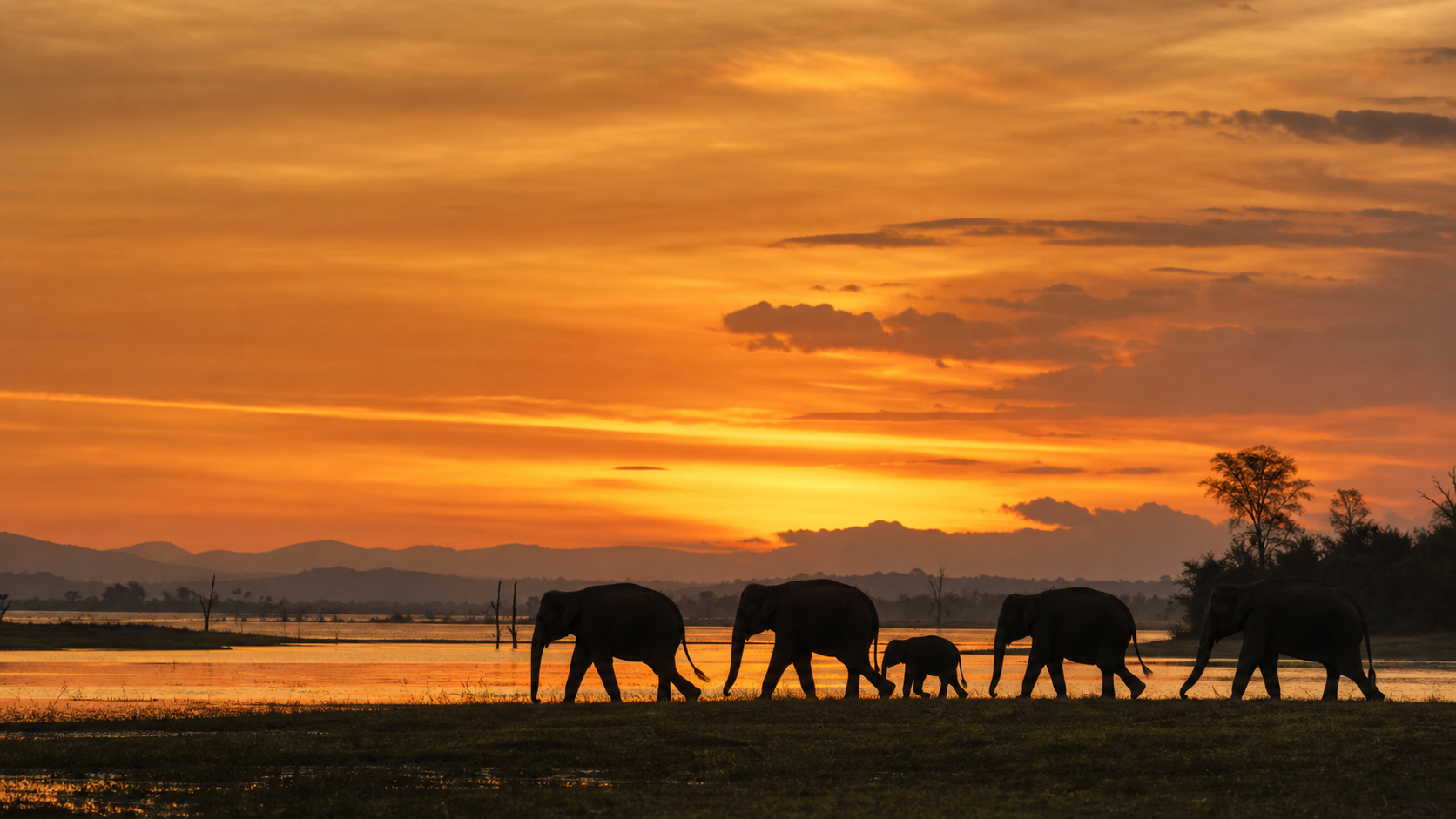
Silhouetted Asian elephants crossing Udawalawe grassland at sunset

Est. 2026 · Udawalawe, Sri Lanka

Where the
elephants
come to you.

A safari camp near Udawalawe National Park, built for private jeep drives, quiet tented stays, and direct planning with people who know the elephant country around Embilipitiya.

"Sri Lanka's
elephant capital."

Live from Udawalawe · Sighting Status: Active

Udawalawe Reservoir — North Bank

06:20

Bull elephant herd, 23 individuals, bathing at the reservoir edge. Calves present.

Elephant Corridor East

500+

Wild elephants in the park

308 km²

Open grassland, forest and reservoir

Year-round

No seasonal closure — book any month

Reliable

Elephant sightings in open country

The Sanctuary

A quiet camp where the elephants set the schedule.

Udawalawe National Park covers about 308 square kilometres of open grassland, thorn scrub, riverine forest, and the vast Udawalawe Reservoir. It is known across Sri Lanka for reliable Asian elephant sightings, especially on early morning drives when the air is cooler and the herds move between forest and water.

The camp sits near Embilipitiya, close to the park boundary and the Elephant Transit Home. Four tented suites, an open dining deck facing the scrub, and naturalists who read elephant behaviour make it a calm base for travellers who want the safari arranged before they arrive.

Udawalawe Safari Camp
Park Boundary Road, Embilipitiya
Sabaragamuwa Province, Sri Lanka
Why stay here?

Where should you stay for an Udawalawe safari?

Stay close to Udawalawe National Park if your priority is the first morning drive. A camp near Embilipitiya keeps transfer time short, makes a 5:30am jeep departure realistic, and leaves room to add the Elephant Transit Home without turning the day into a road transfer.

The strongest Udawalawe itinerary is simple: arrive the afternoon before, sleep near the park, take a private morning safari, then visit the Elephant Transit Home when current feeding times align. Guests with more time can add a full-day drive or a second dawn safari for slower wildlife watching.

Choose your experience

Every drive tells a different story.

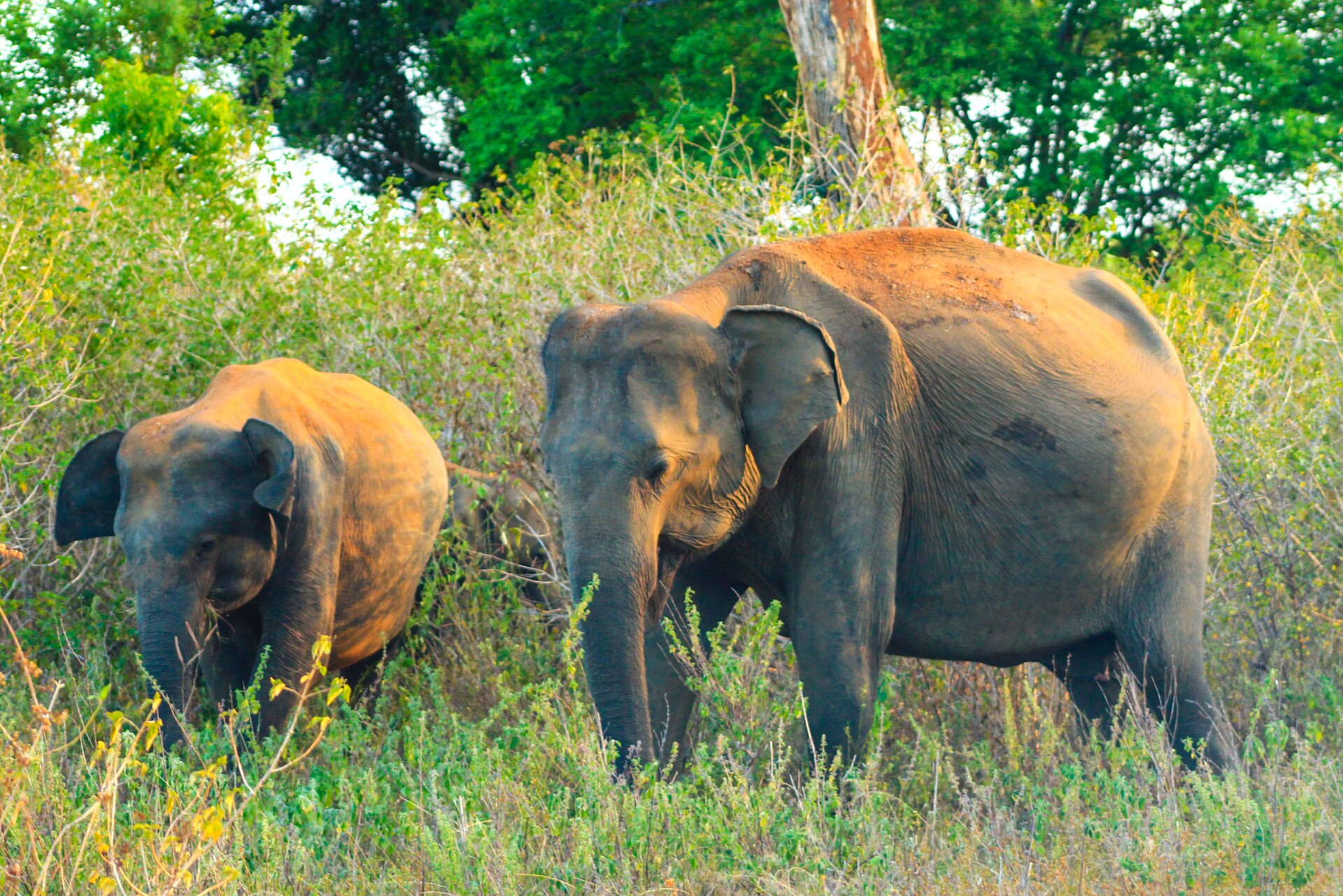
Two Asian elephants moving through Udawalawe National Park grassland in warm light

Bull elephant at sunrise, Block C

01Dawn · Active

The Morning Herd

Departs 5:30am · Returns 9:00am

Elephants are most active at dawn before the heat settles. The grassland is quiet and the light is golden. This is when the herds move between the forest and the reservoir.

Average 80+ elephants per drive

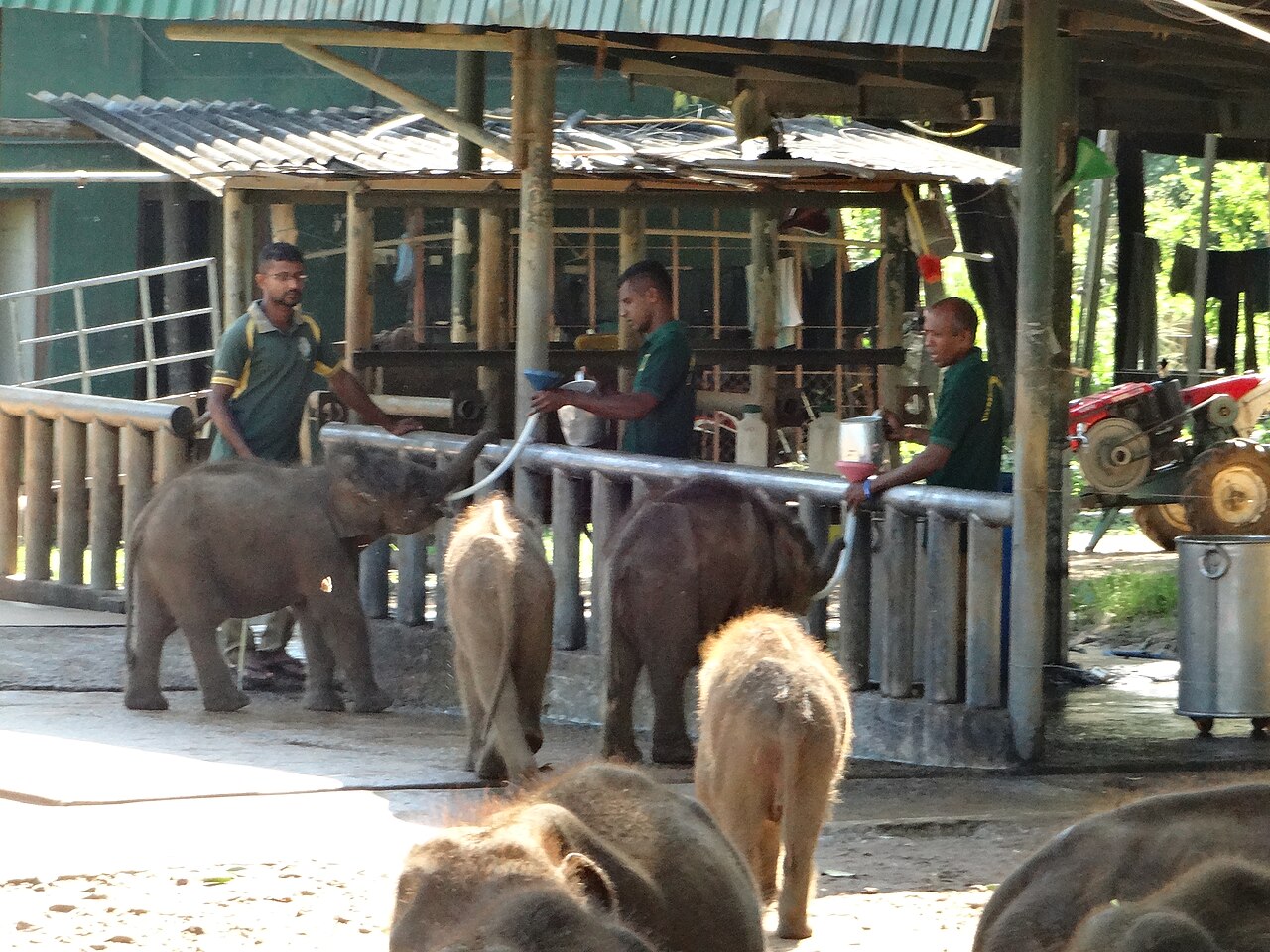
Young elephants being bottle-fed at the Udawalawe Elephant Transit Home

Rescued calf at morning feeding

02Conservation

The Transit Home

Feeding-session visit · Confirm current times

A short drive from camp, the Elephant Transit Home rescues and rehabilitates orphaned elephants before release. Public viewing is arranged around feeding sessions, with no riding, touching, or close-contact photo encounters.

148 elephants released since 1995

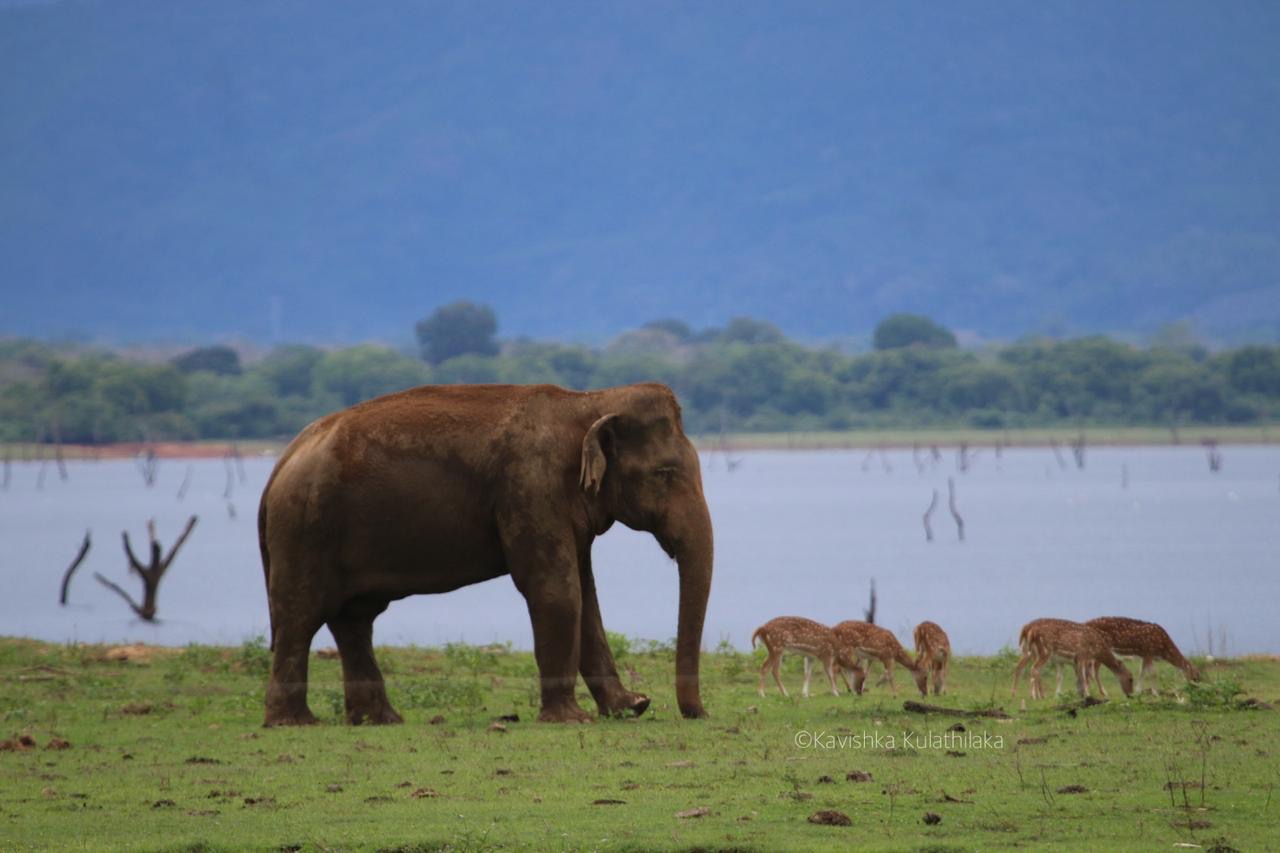
Asian elephant and spotted deer beside the Udawalawe Reservoir

Reservoir at golden hour with herd

03Full Day

Sunrise to Sunset

5:30am to 6:00pm · With lunch break

The full day lets you follow a herd across the grassland as the light changes. Lunch is served at a viewpoint overlooking the reservoir. The afternoon drive catches the elephants returning to water before dark.

Both golden hours. One long day.

The Park

308 sq km of open grassland. No leopard queues.

500+

Wild elephants

308 km²

Park size

200+

Bird species

0

Park closures (year-round)

Udawalawe sits inland from the south coast between Hambantota and Ratnapura. The Udawalawe Reservoir — built in 1968 — forms the park's heart, creating a permanent water source that keeps elephants here year-round. In Yala, you track the leopard. In Udawalawe, the elephants find you.

The tracks are wide and open, which makes Udawalawe especially good for families and first-time safari guests. Elephants are the headline, while water buffalo, spotted deer, crocodiles, raptors, and water birds add depth to the drive.

Read the full park guide →
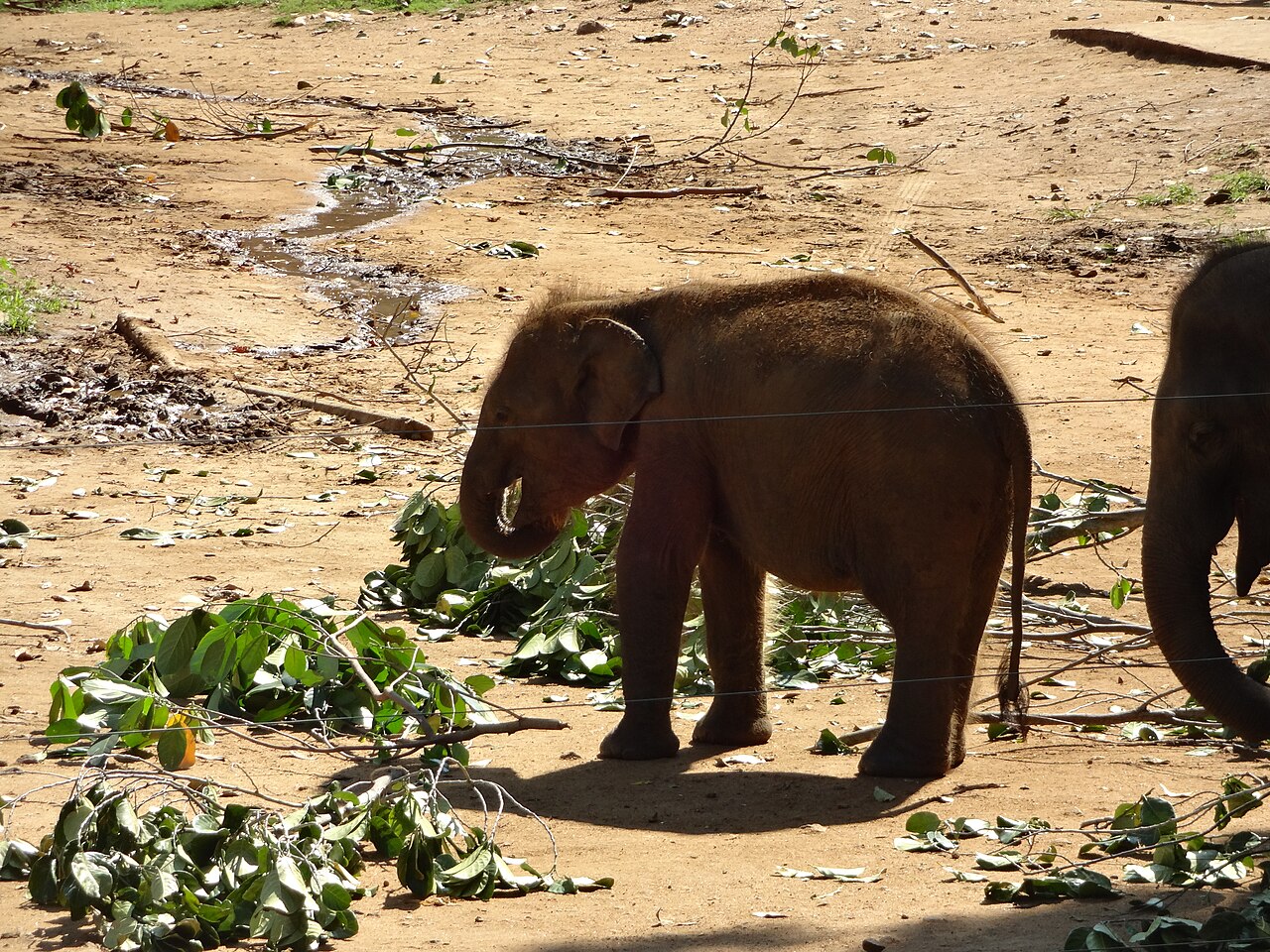
Orphaned elephant calf eating leaves at the Udawalawe Elephant Transit Home

Transit Home feeding-session viewing

Conservation

The elephants here have a second chance.

A short drive from camp, the Elephant Transit Home rehabilitates orphaned calves for release back into the wild. Visitor viewing is usually arranged around public feeding sessions, with no touching, riding, or close-contact encounters.

Learn about the Transit Home →

FAQ

Udawalawe safari camp questions.

Where is Udawalawe Safari Camp?

Udawalawe Safari Camp is presented as a park-boundary safari camp near Embilipitiya, Sri Lanka, positioned for guests visiting Udawalawe National Park and the Elephant Transit Home. The site is a SriLankaWilds demo for direct-booking safari operators.

Is Udawalawe a good place to see elephants?

Yes. Udawalawe National Park is one of Sri Lanka's most reliable elephant-viewing parks because open grassland, scrub, and the Udawalawe Reservoir support regular elephant movement throughout the year.

What is the best time of day for an Udawalawe safari?

Early morning is usually the best first choice. Jeeps commonly leave before the 6:00am park opening so guests can enter in cooler light, before the day becomes hotter and wildlife moves deeper into cover.

Can I book a safari and stay directly?

Yes. The site is built around direct enquiry by WhatsApp, email, or the reserve form, with private jeep safaris, tented accommodation, and Elephant Transit Home planning handled together.

Reserve

The herds move at 5:30am.

Dawn drive departures fill 2-3 weeks ahead in peak season (May-September). Contact us on WhatsApp to check availability.